
Areas of Study and Development

Torah and Halachic Application
- Applying principles to contemporary situations
- Developing clarity and independence in judgement
- Engaging with complex and sensitive areas of practice

Personal Development
- Emotional awareness and resilience
- Communication and presence
- Personal responsibility in leadership roles

Leadership Formation
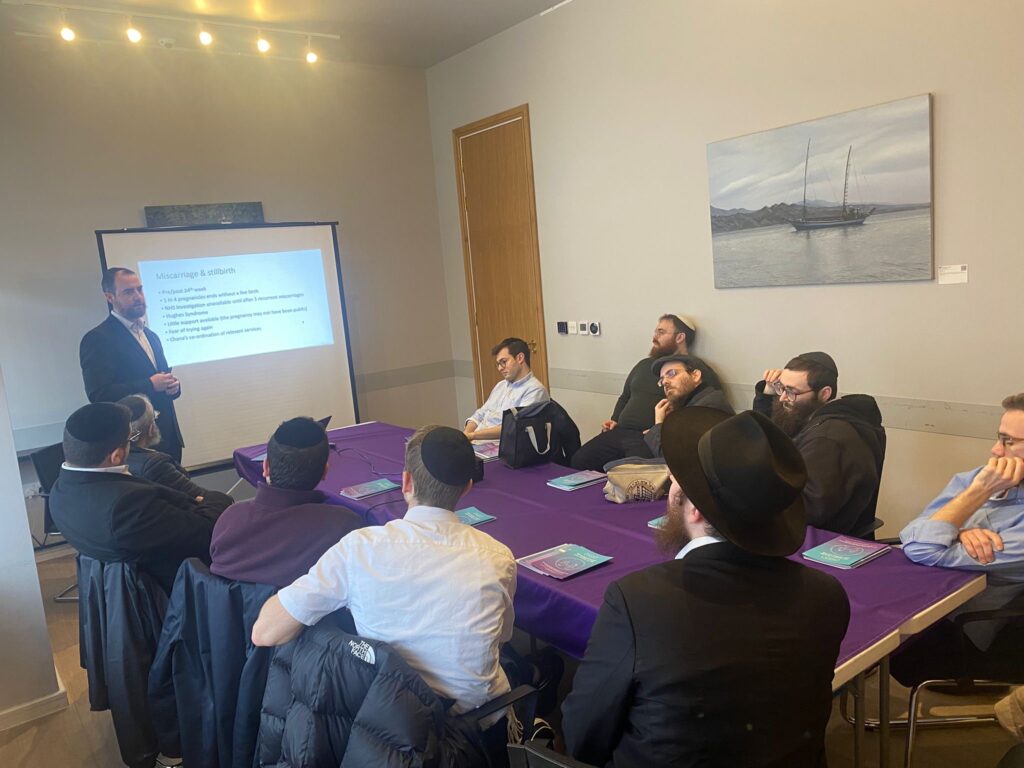
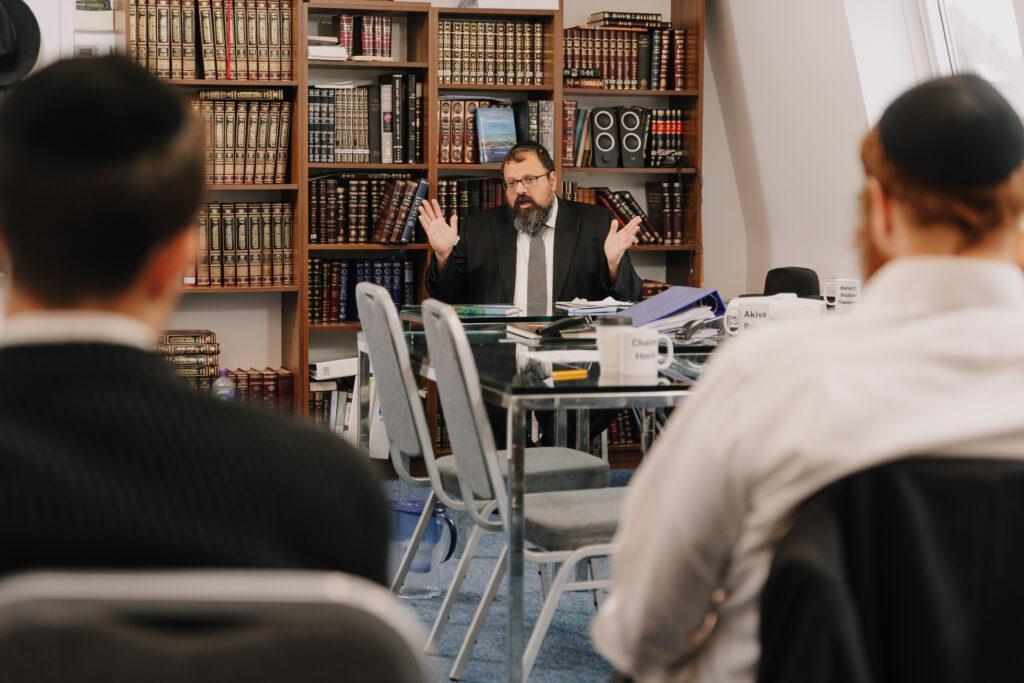
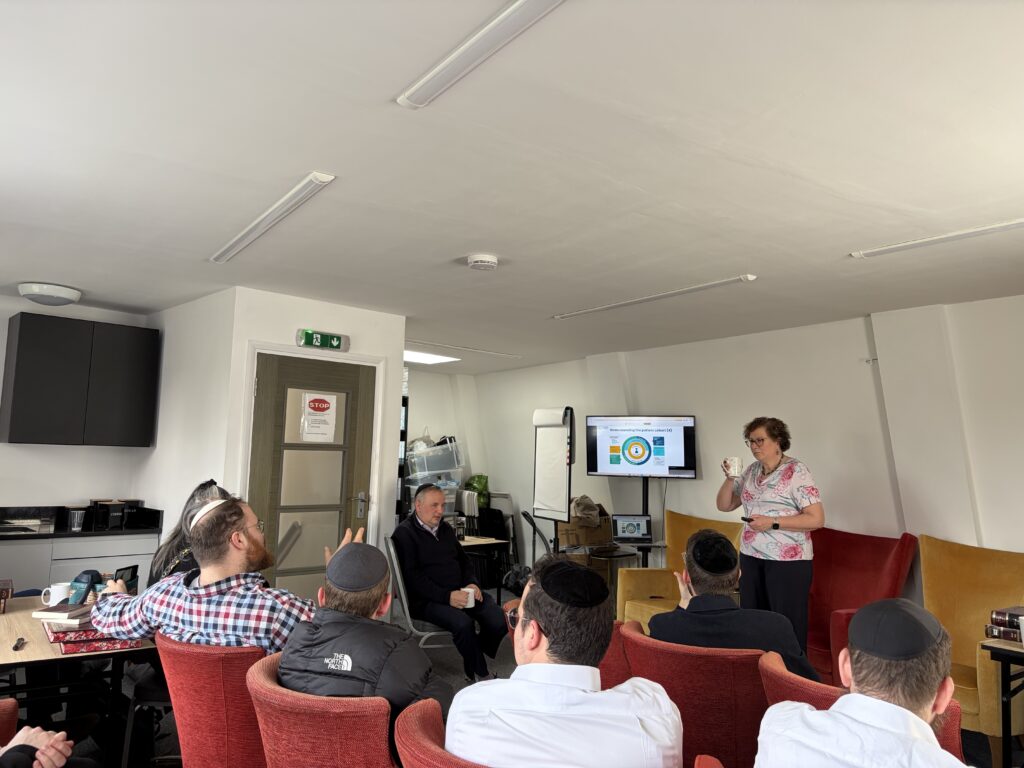
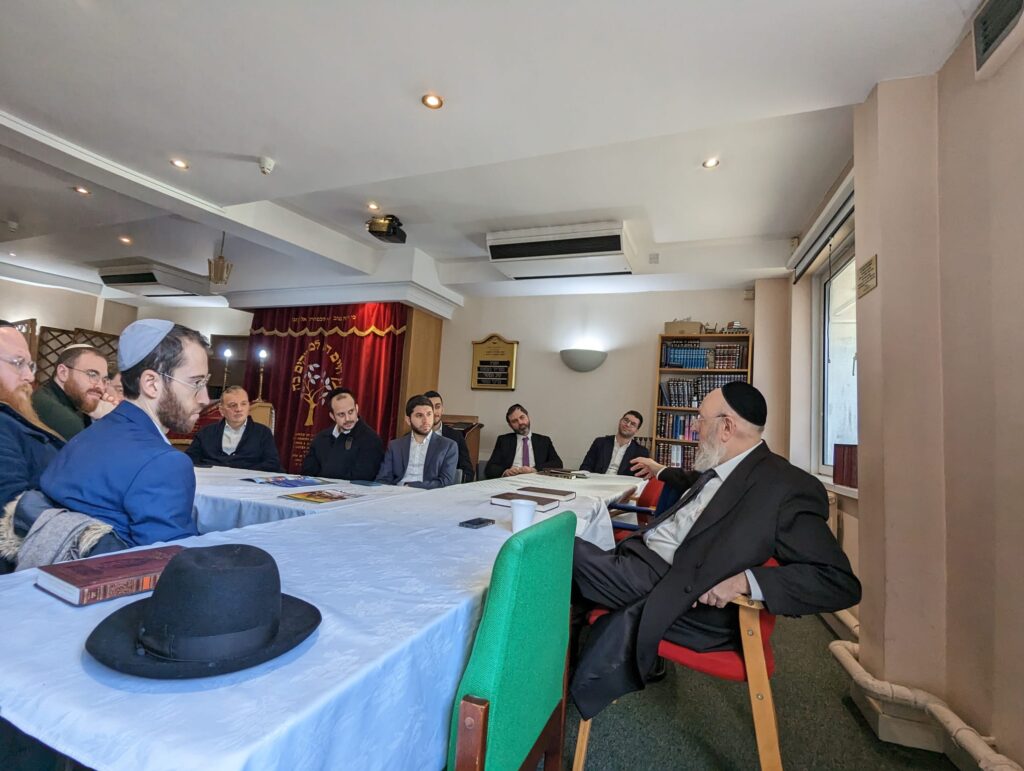
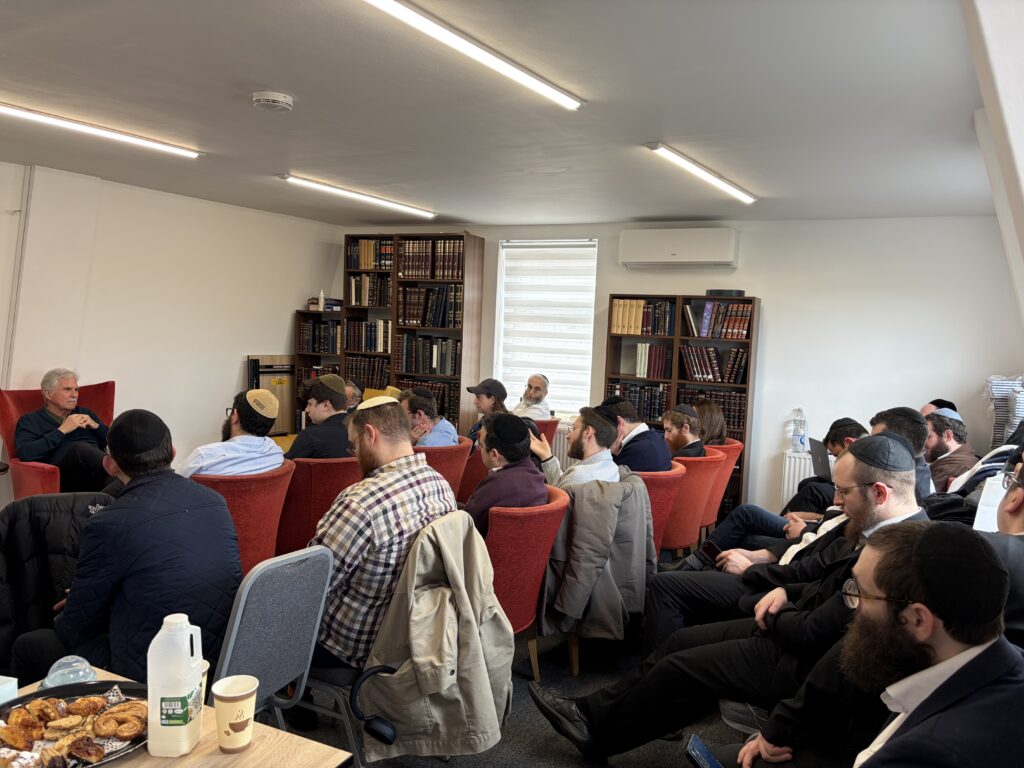
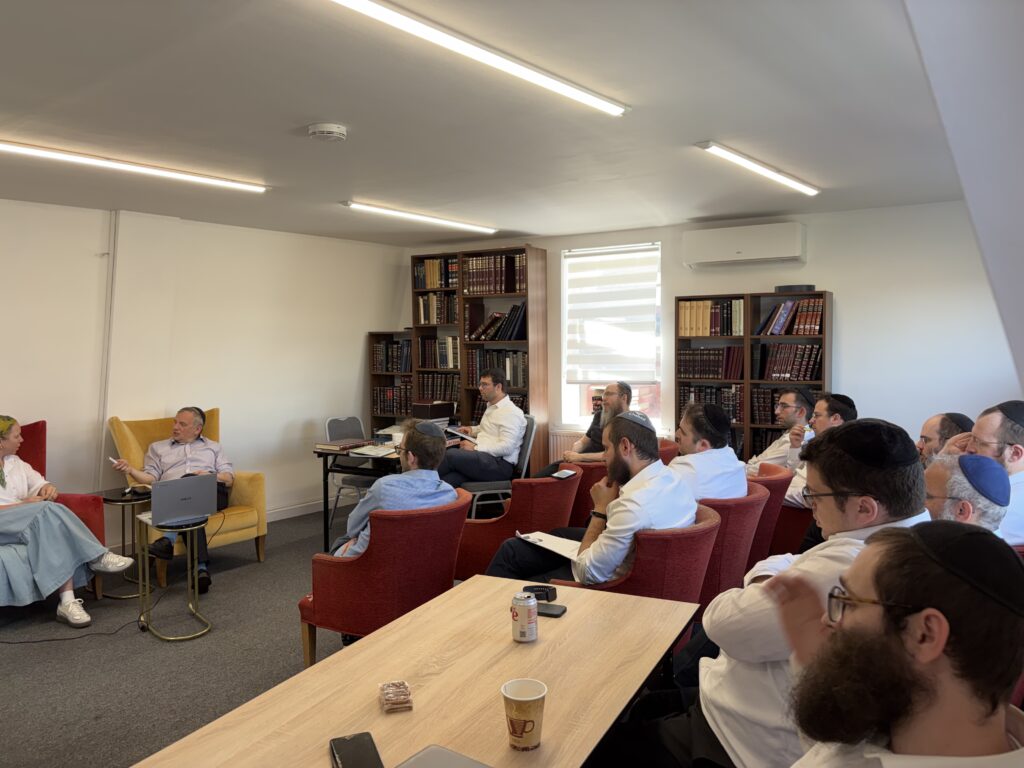
- Exposure to experienced practitioners
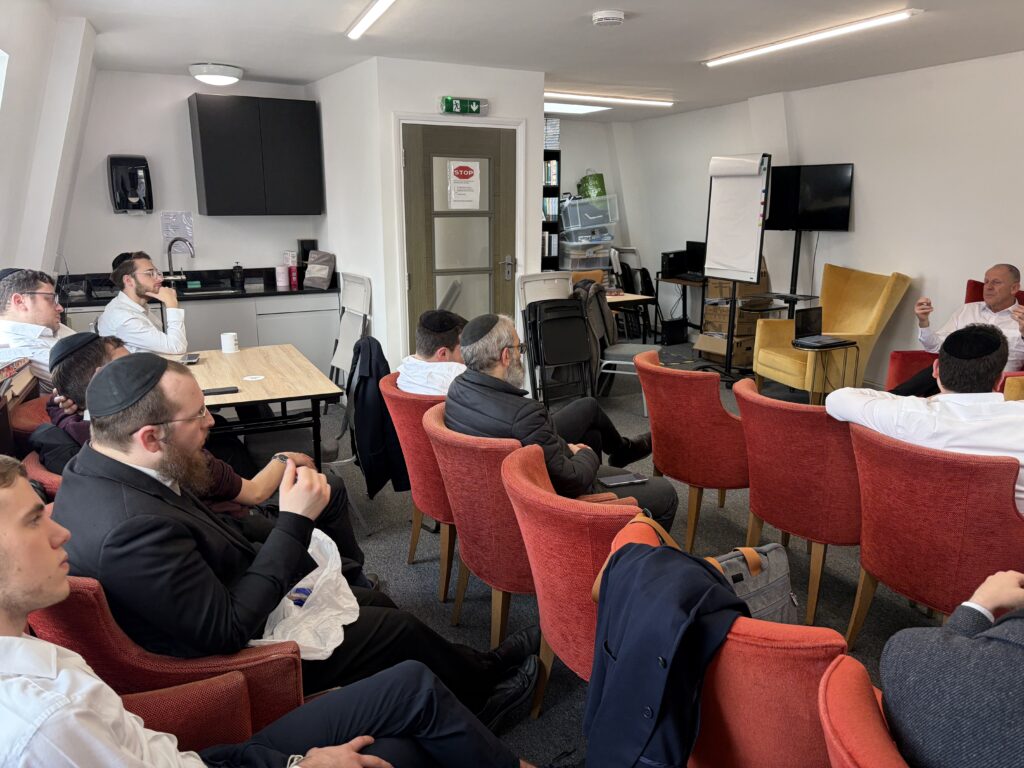
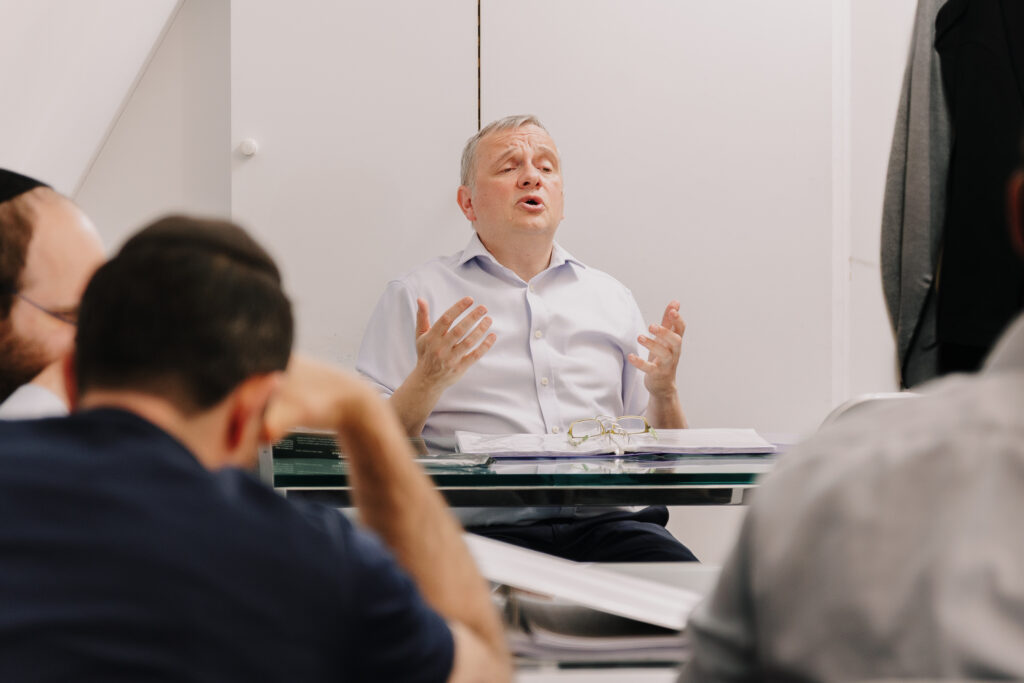
- Discussion of real-world scenarios
- Insight into the structure of communal institutions

Mentorship
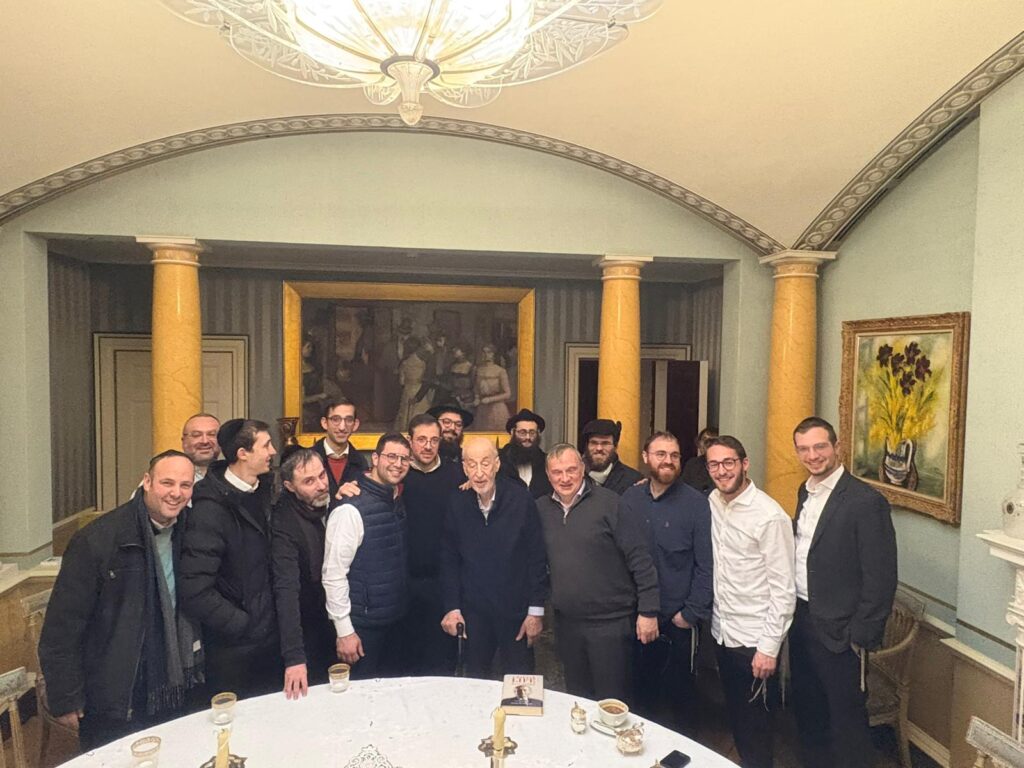
- Ongoing, individual mentorship during the programme
- Continued guidance as graduates move into first roles
- A central feature ensuring no rabbi leads alone
A Measured and Personal Model
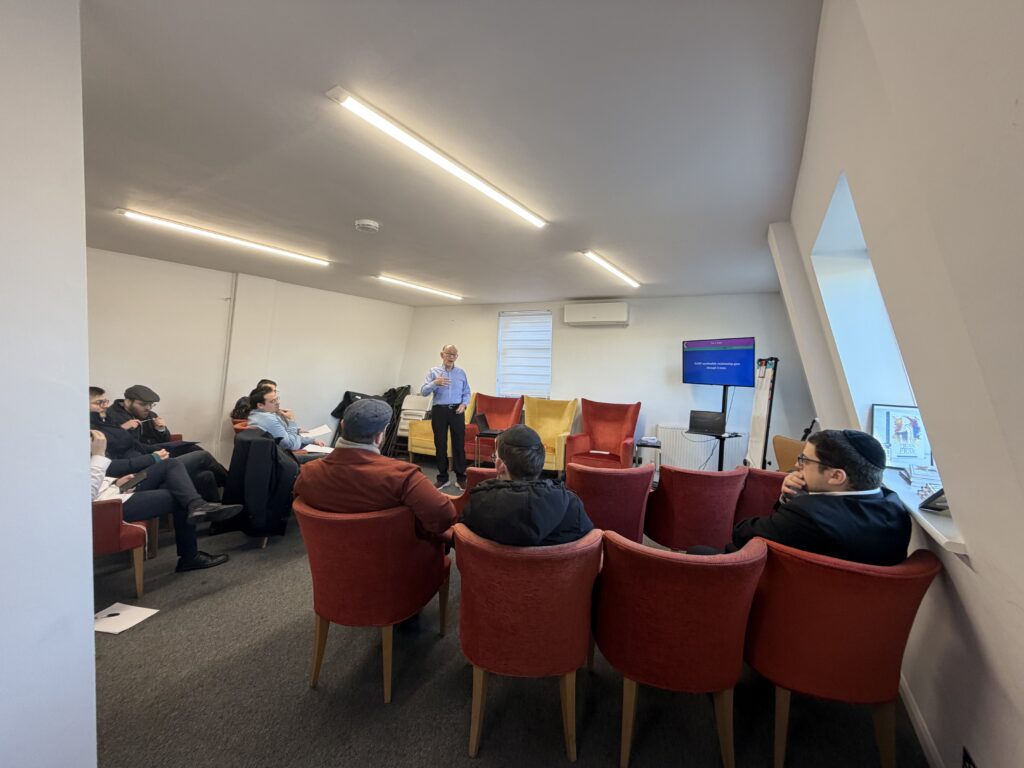
The academy operates on a small scale, allowing for:
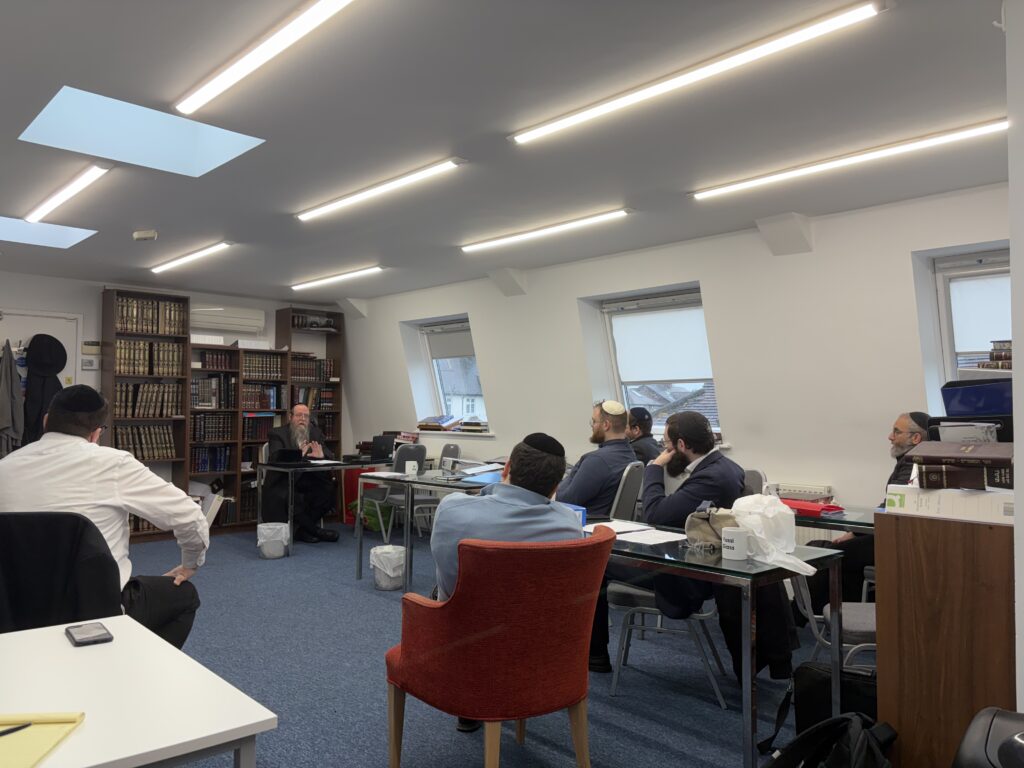
- Individual attention
- Tailored development
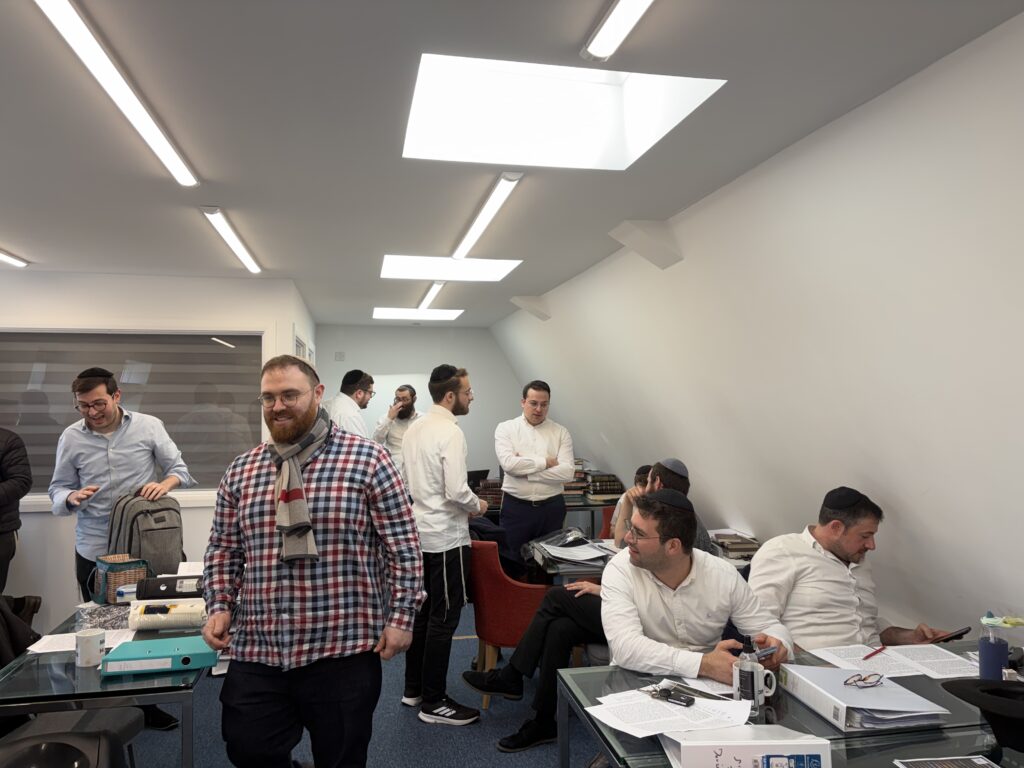
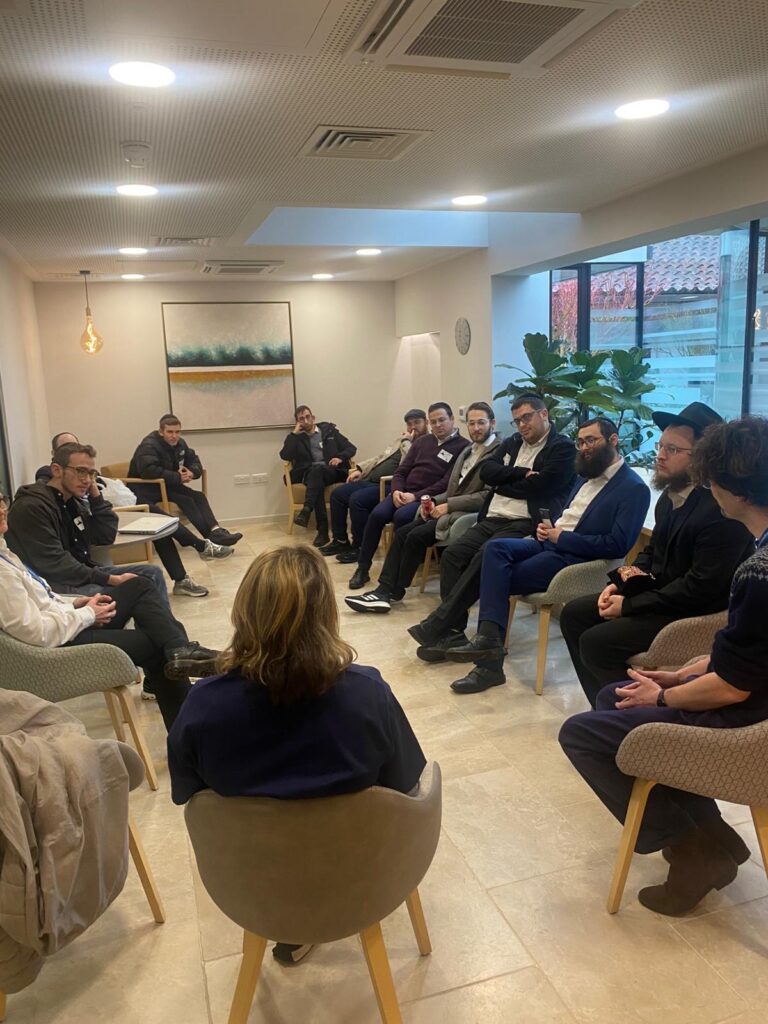
- Close relationships between mentors and participants
This reflects a broader view that leadership is shaped gradually, rather than delivered through standardised training.
Long-Term Contribution
Graduates go on to serve in a variety of settings, including communities, educational frameworks, and outreach roles across the English speaking world.
Community Rabbinics
Teaching
Outreach
Contributing to communal life
The academy’s contribution is cumulative. Over time, a relatively small number of well-prepared individuals can have a meaningful and lasting effect across a wide range of communities.





APPLICATIONS
Enquire About Joining the Programme
Places on the RTA programme are limited and offered following a personal conversation. Send us a short enquiry and we’ll be in touch to discuss your background and next steps.